How I edit
I edit video for BRENMAN and for Reva: course trailers, full course tracks, the Bridging Room podcast, short documentaries, and reels. I also design the thumbnails and social posts that carry them. This is how five of those projects were made.
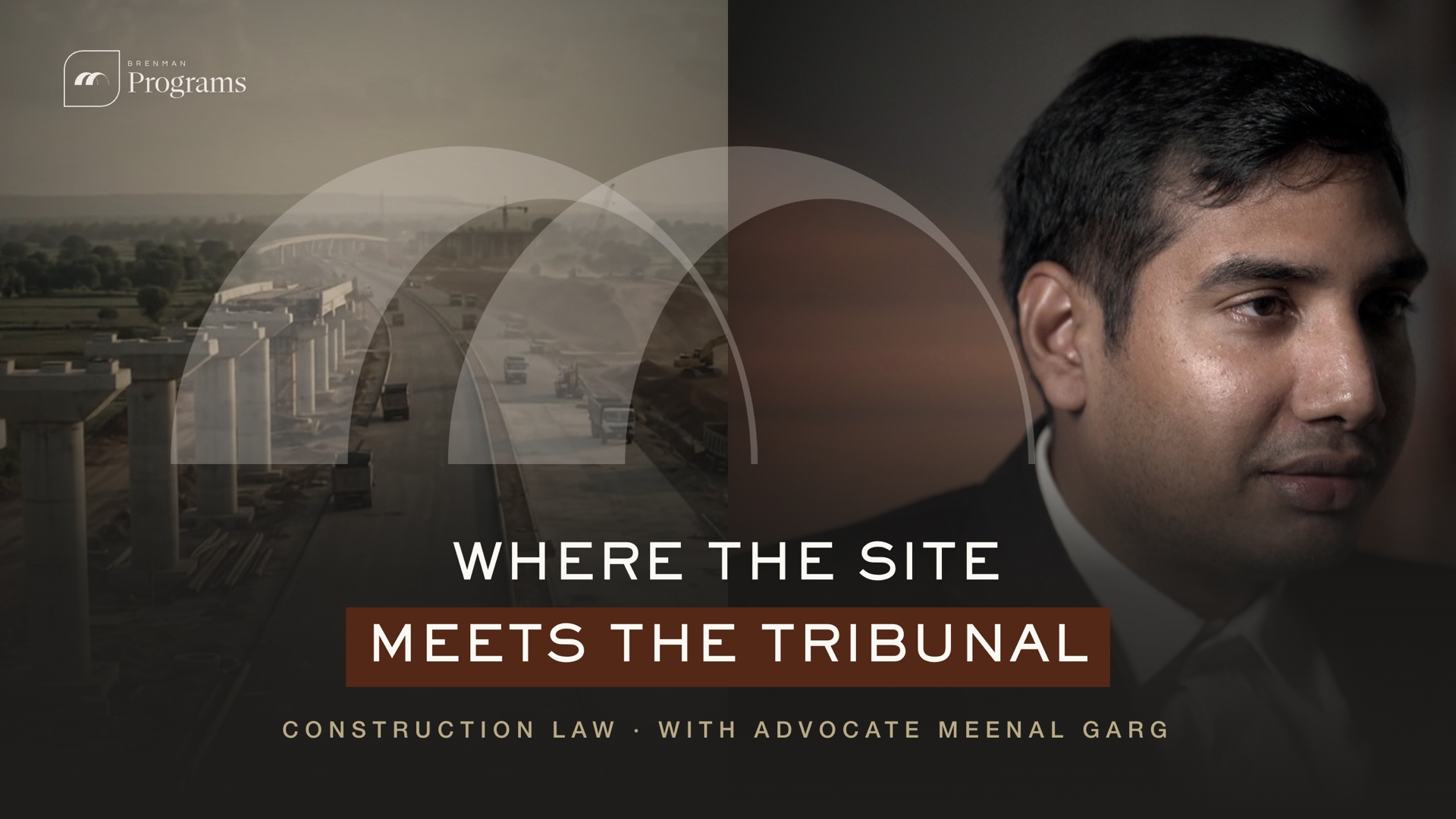
Construction Law teaser: 29 versions in six days.
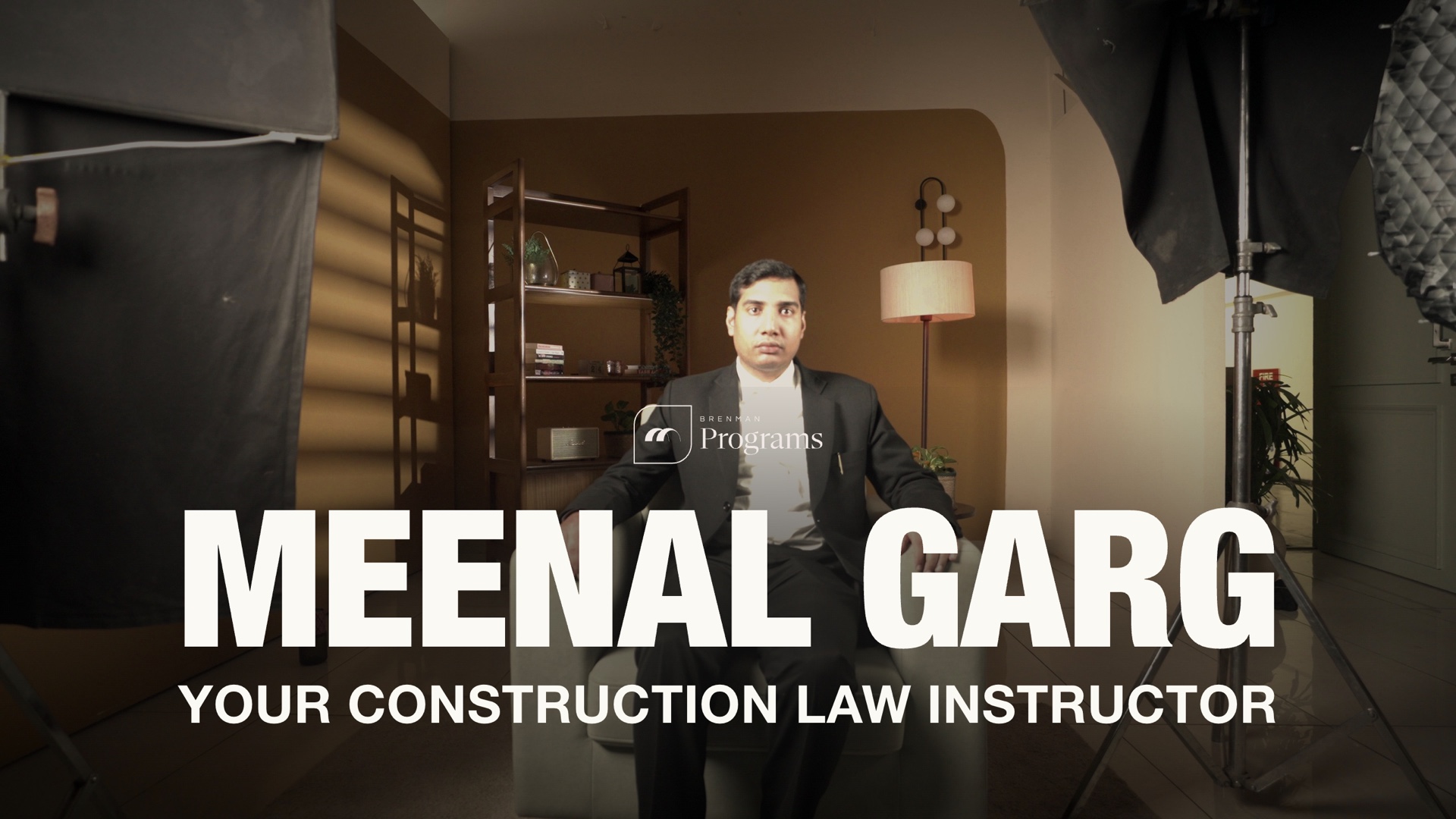
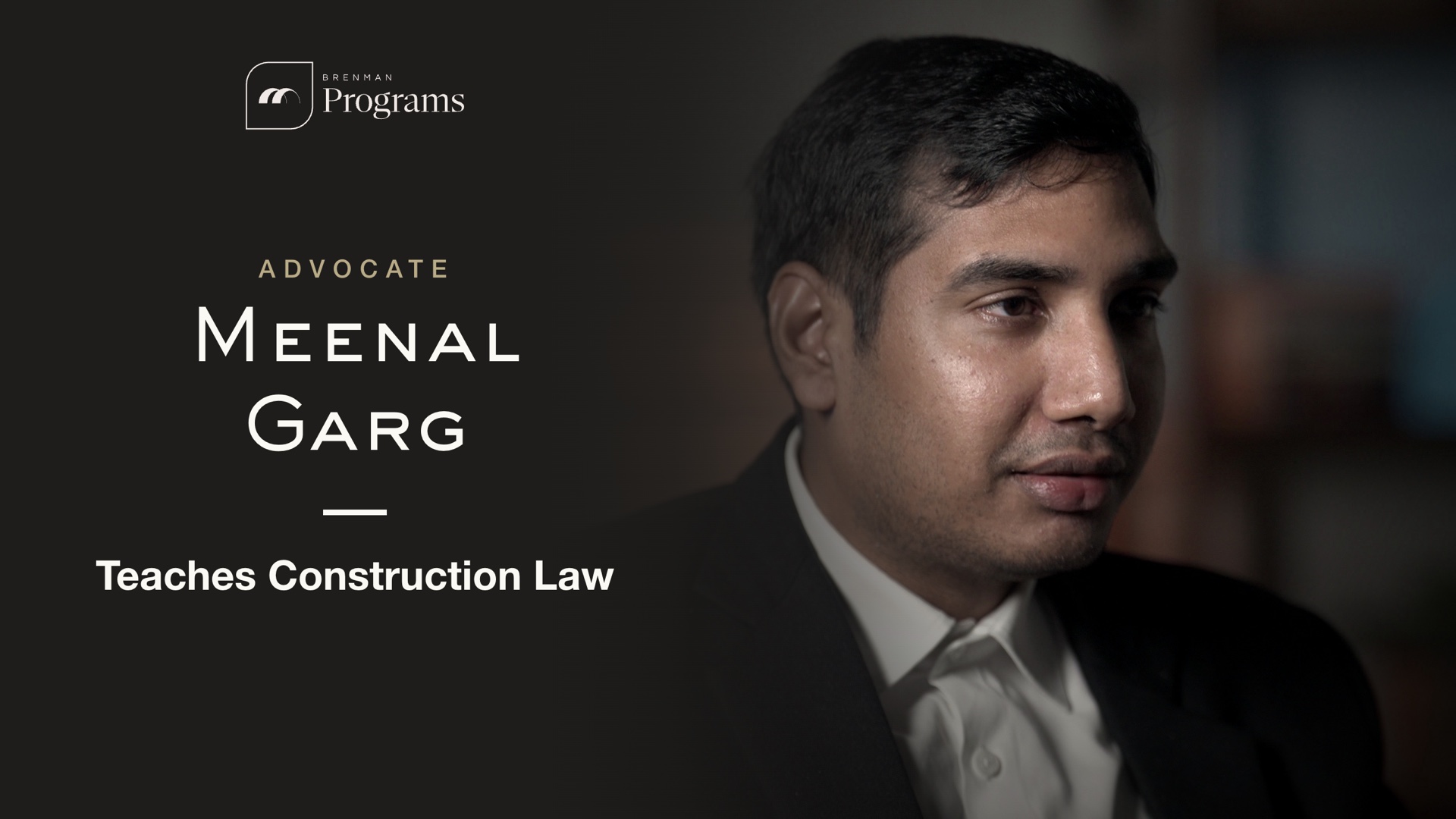
BRENMAN needed a launch trailer for its Construction Law program with Advocate Meenal Garg. The brief borrowed the structure of a MasterClass trailer: a cold open, the title, word cards, the story, a stat card, a tagline, what you'll learn, and an end slate. The client added one hard requirement. The trailer had to name the problem the course solves: records that were never kept, promises made only out loud, and claims nobody quantified.
The source was a 4K S-Log3 interview on two cameras with Zoom audio, plus behind-the-scenes walk-ins. I built every version as a Python edit list rendered through ffmpeg, so each change was a small diff instead of a re-edit. Joins sit in quiet spots of the waveform, and I transcribed every join on its own to check that no word was clipped.
- v2 to v8: stock footage replaced weak B-roll, then Indian sites and courts replaced the stock. A grid-and-tracer graphic style in v7 was rejected as too busy, so v8 went back to the cleaner v6 cards.
- v9 to v21: 15 clips generated with Google Veo replaced the remaining stock, each one cropped to remove the generator's watermark. A fast-cut opening in v19 felt abrupt and was gone by v20.
- v22 to v26: I repaired the boxy Zoom voice with EQ, a de-esser, and 3:1 compression, removed hiss with spectral subtraction, and re-cut the music bar by bar to a 60 bpm track that matched the client's reference trailer.
- v27 to v29: word-by-word cleanup of every join, checked on the dialogue-only mix.
The final delivery was a 2:47 4K master at −16 LUFS, a native vertical 4K cut with all 11 cards rebuilt for 9:16 and burned-in captions, a 40-second Short, a credits file that discloses the AI footage, and five thumbnail options.
BIM Business Management: fixing a finished course without its source files.
The Managers track arrived as five finished 4K exports, 18 to 34 minutes each and about 2.2 hours in total, with no project files. Two modules were swapped, an old logo was burned into the picture, some B-roll was wrong, and several slides had typos. The client's note was short: replace it with classy graphics of your own.
With no layers to edit, I worked on the picture itself. I added 227 px letterbox bars and set new subtitles inside the bottom bar, then moved the picture shot by shot so every head cleared the top bar. I keyed the old slide backgrounds out frame by frame and replaced them with the client's own, rebuilt the slides with typos as glass-panel graphics, and swapped in licence-clean B-roll. The interview colour stayed untouched. The track shipped in about two days, with roughly 7.5 hours of overnight rendering for the three longest modules.

A week later the same course was re-branded for a university partner. I removed BRENMAN's branding, including every spoken mention of the name, re-coloured the graphics in navy and gold, and sent each module as a 360p draft before rendering 4K. To keep five long modules honest, I wrote QC scripts that scan every frame for leftover backgrounds, leaks into the letterbox, black frames, one-to-four-frame pops, and logo traces, and scan the audio for silences, clipping, loudness, and clicks at joins. Every draft came with a change sheet against the last one. All five modules passed frame-by-frame QC on October 6.
BIM Leaders track: building the course from the shoot.
The Leaders track starts from raw Sony FX3 S-Log3 footage. The presenter lost continuity during the shoot, so I first rebuilt the takes into script order from the written scripts. Stumbles are cut automatically and hidden behind camera changes.
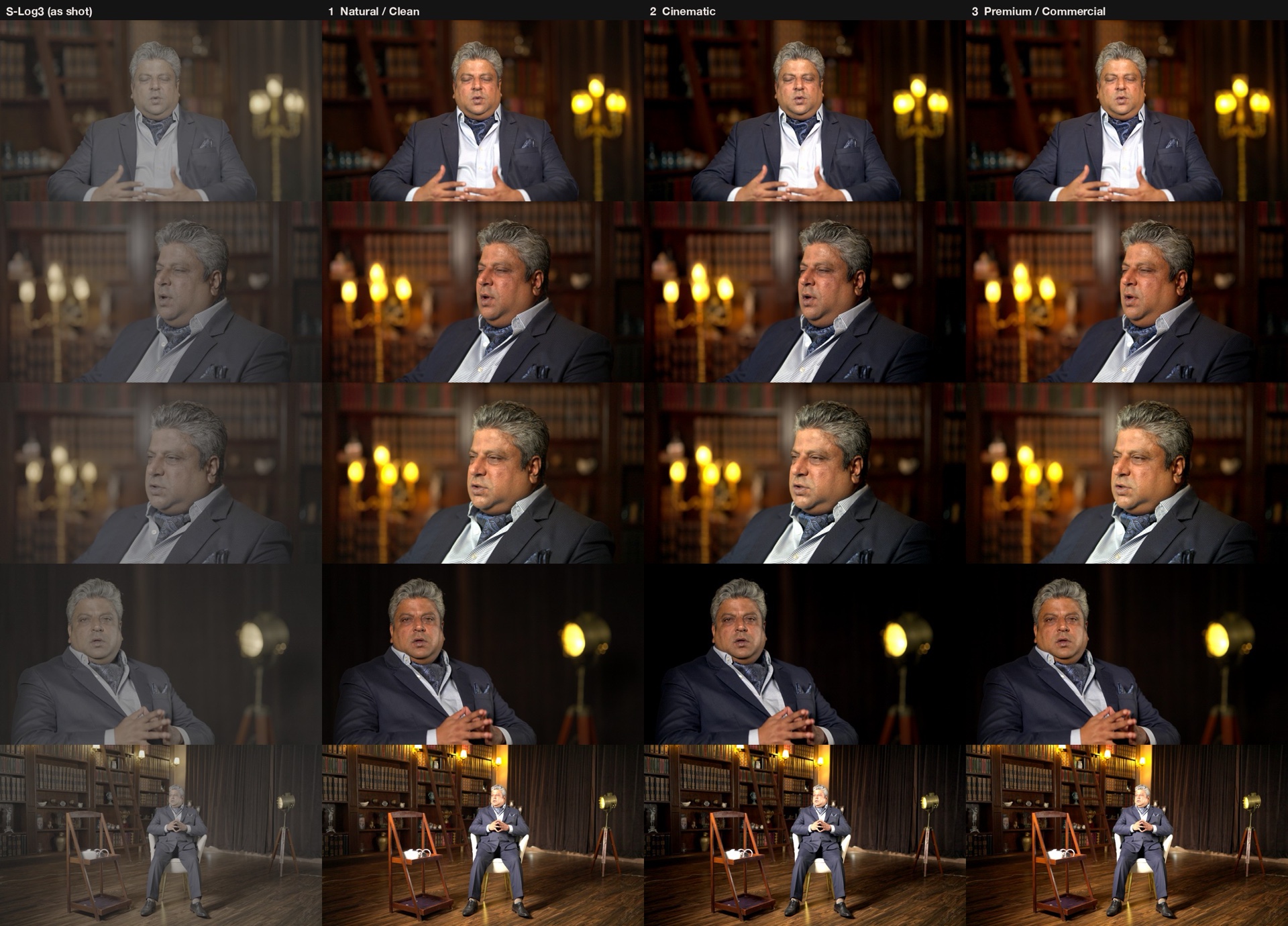
I graded three looks for the client to choose from: natural, cinematic, and premium. Graphics are black film-grain cards in a condensed sans, with diagrams that animate on the words the presenter says. An early direction that copied a MasterClass look was dropped for original diagrams. A light "wood" sound design ties the cards together. The track was in production through October 2026.
Bridging Room: long episodes, a cutting tool, and the clips around them.
Bridging Room is BRENMAN's podcast on engineering and infrastructure. The August episode with Prof. Deepankar Choudhury ran 2 hours 4 minutes, shot in 4K on three Sony cameras: 293 GB of footage and 786 cuts. Cutting that by hand is days of work, so I wrote Podcast Autocut. It syncs the cameras to the mics by matching waveforms, works out who is speaking every 10 ms, scores real reactions, plans the cut in four passes, and renders 4K through its own S-Log3 to Rec.709 LUT. On that episode it kept the speaker on screen about 89% of the time, at 6.5 cuts a minute. Its cut lists go to Resolve as FCPXML, where I finish by hand.
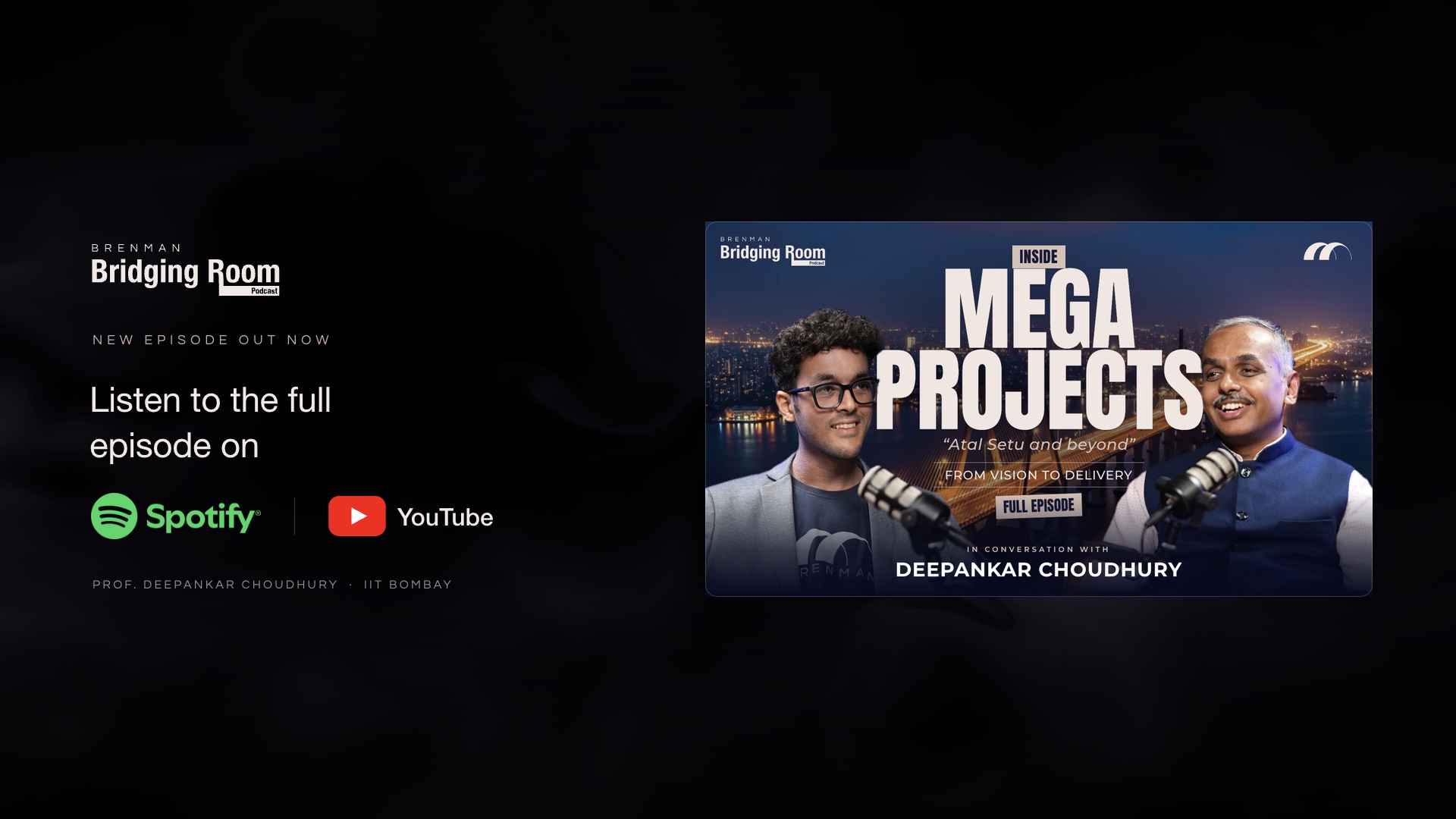
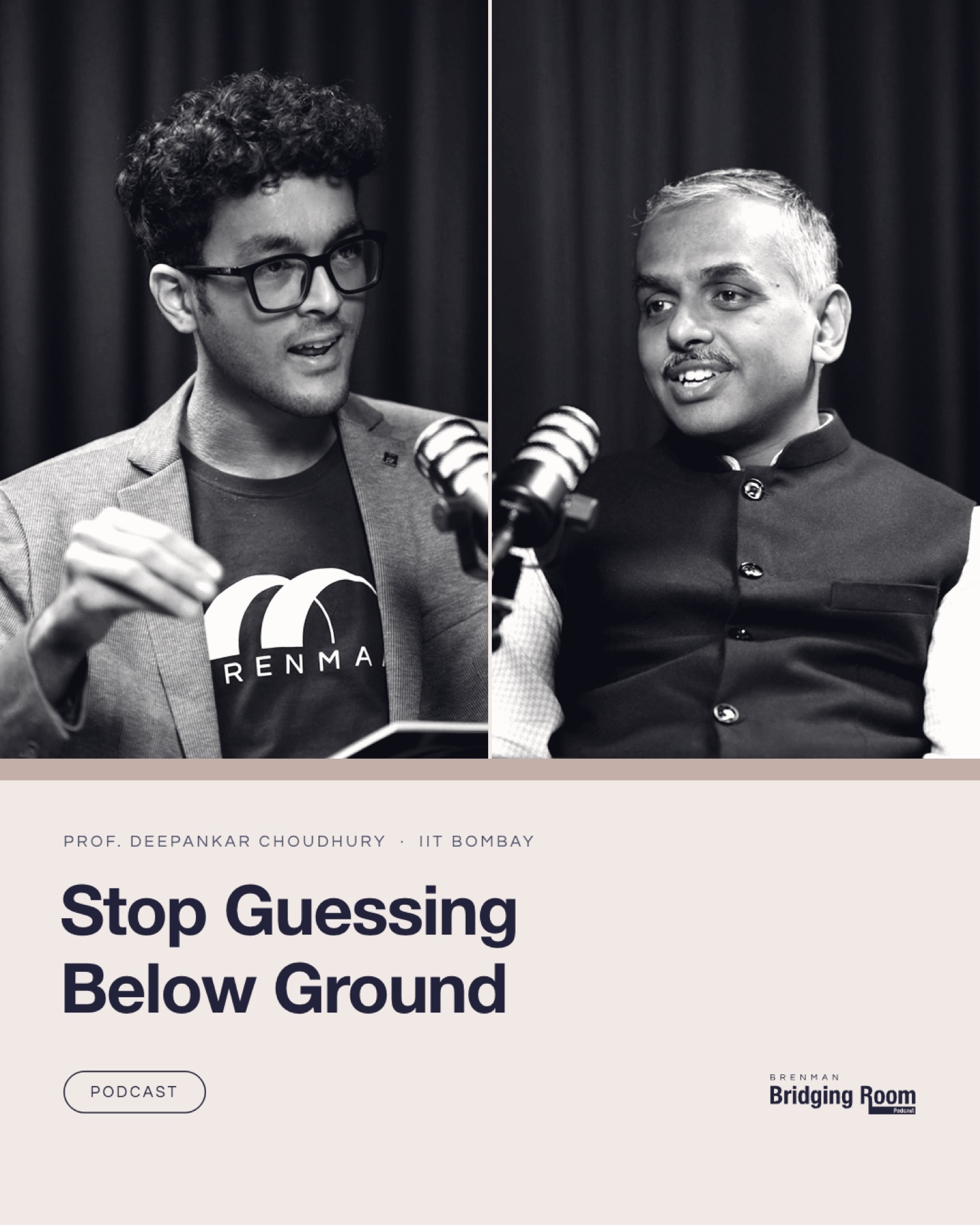
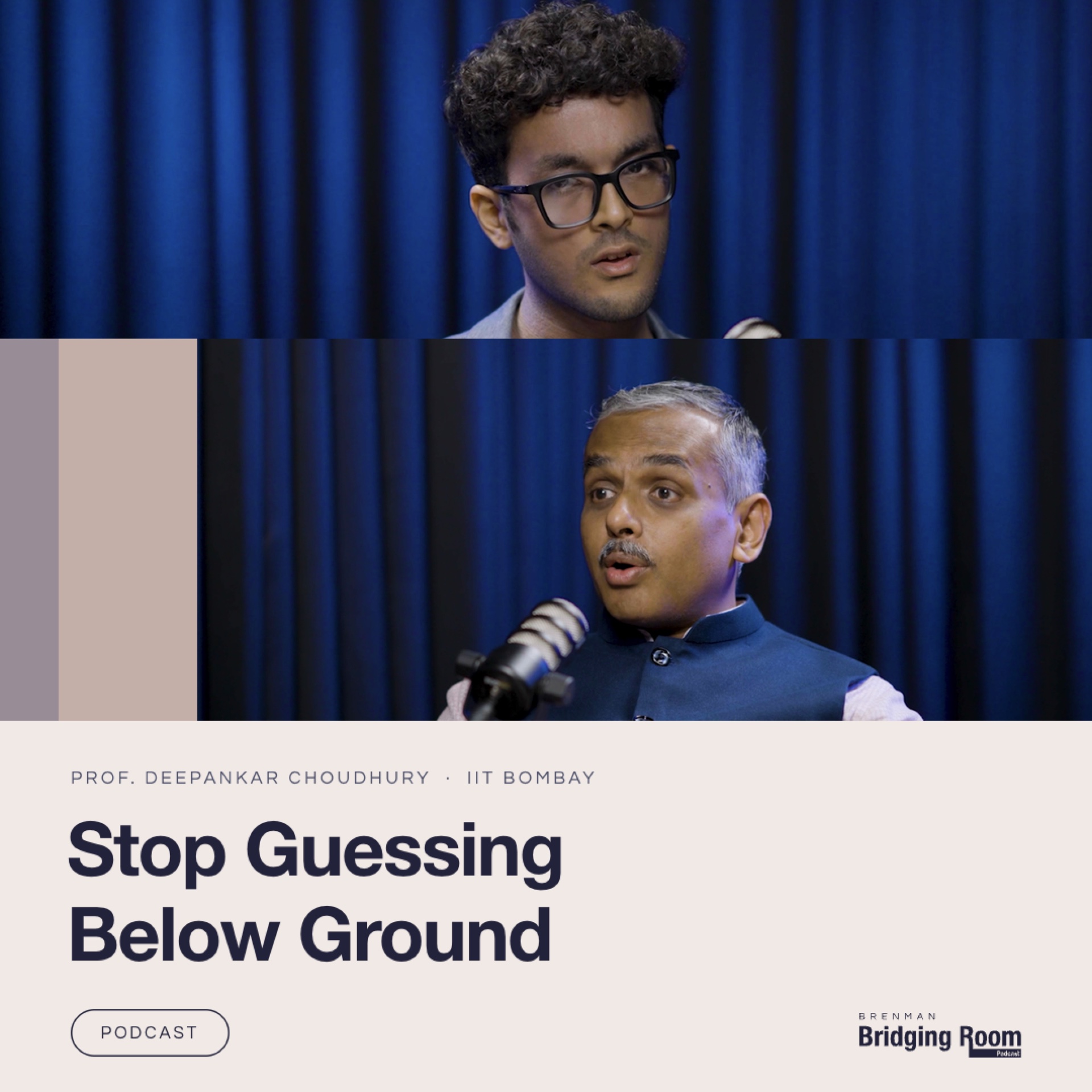
That episode, Inside Mega Projects: Atal Setu and beyond with Prof. Deepankar Choudhury of IIT Bombay, went out with a full set I designed: the YouTube thumbnail, a "new episode out now" card for Spotify and YouTube, and Instagram posts and stories.
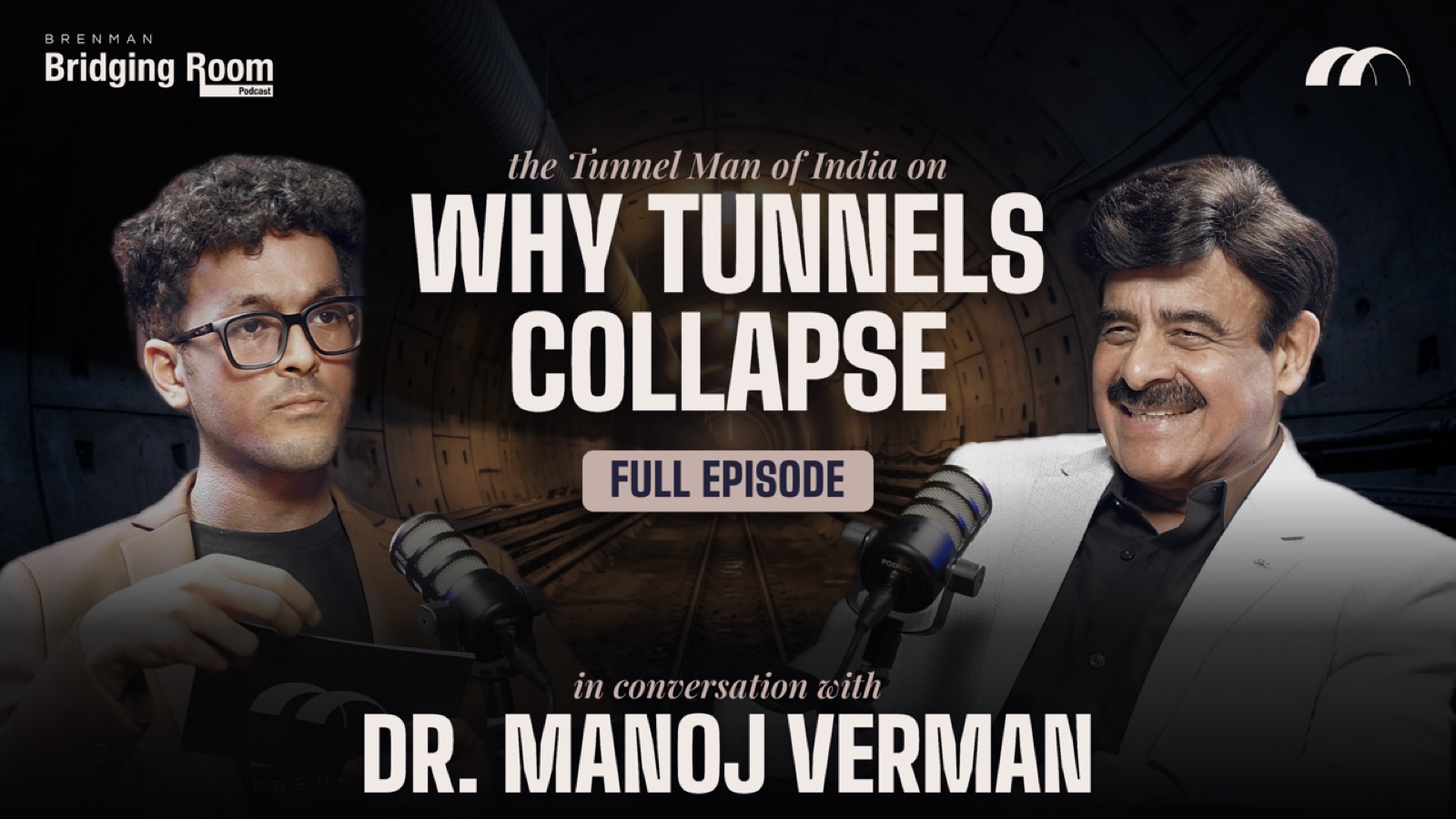
For the September episode with Dr. Manoj Verman, the edit, teaser, 35 chapters, and visuals took one day instead of three to four. Claude Opus 5.5 read the transcript to suggest cuts and teaser moments and helped me find openly licensed images with their credits. Where footage didn't exist, I used AI-generated clips and disclosed them. I watched the full episode and made every final call. Read the write-up →
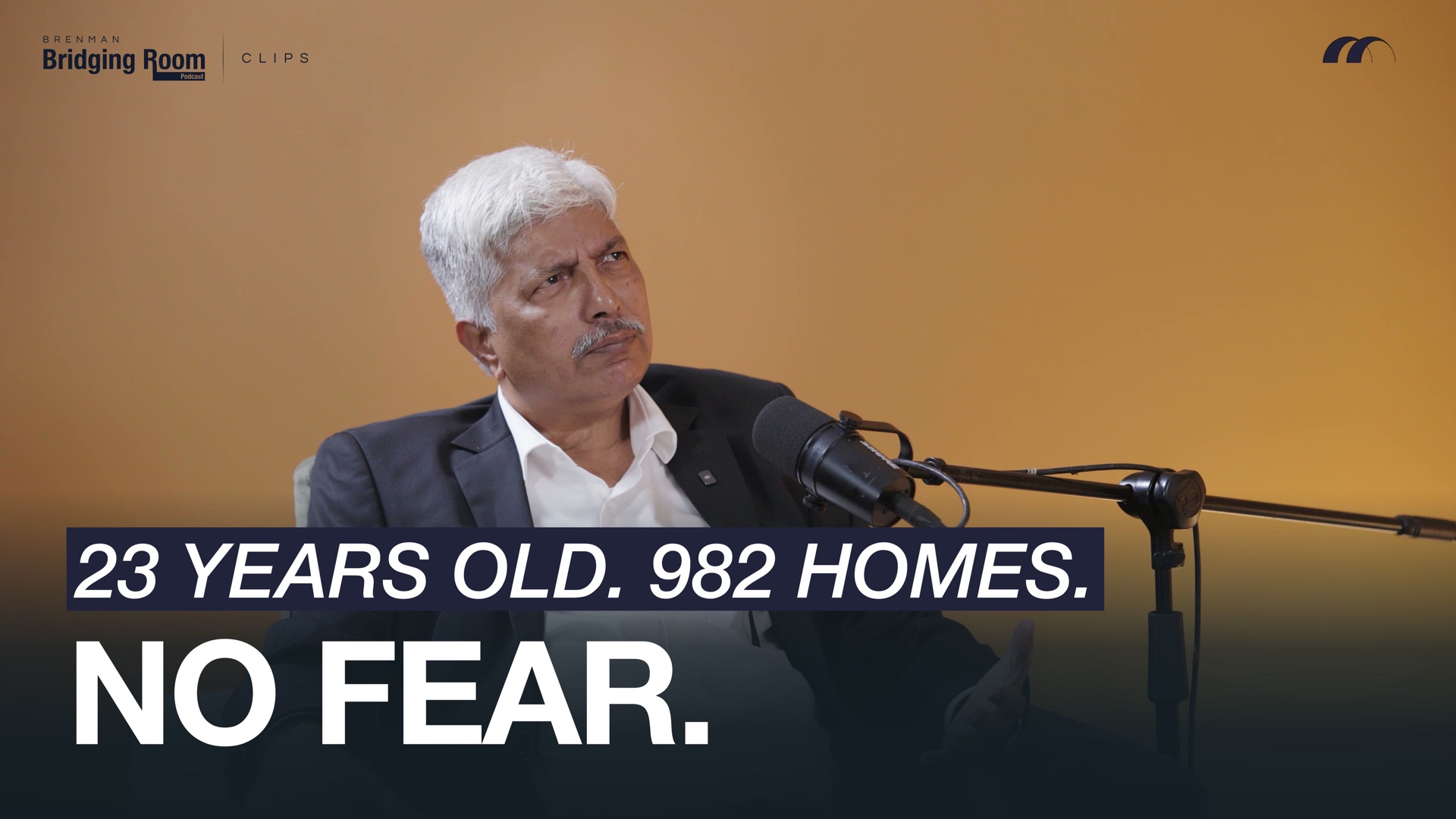
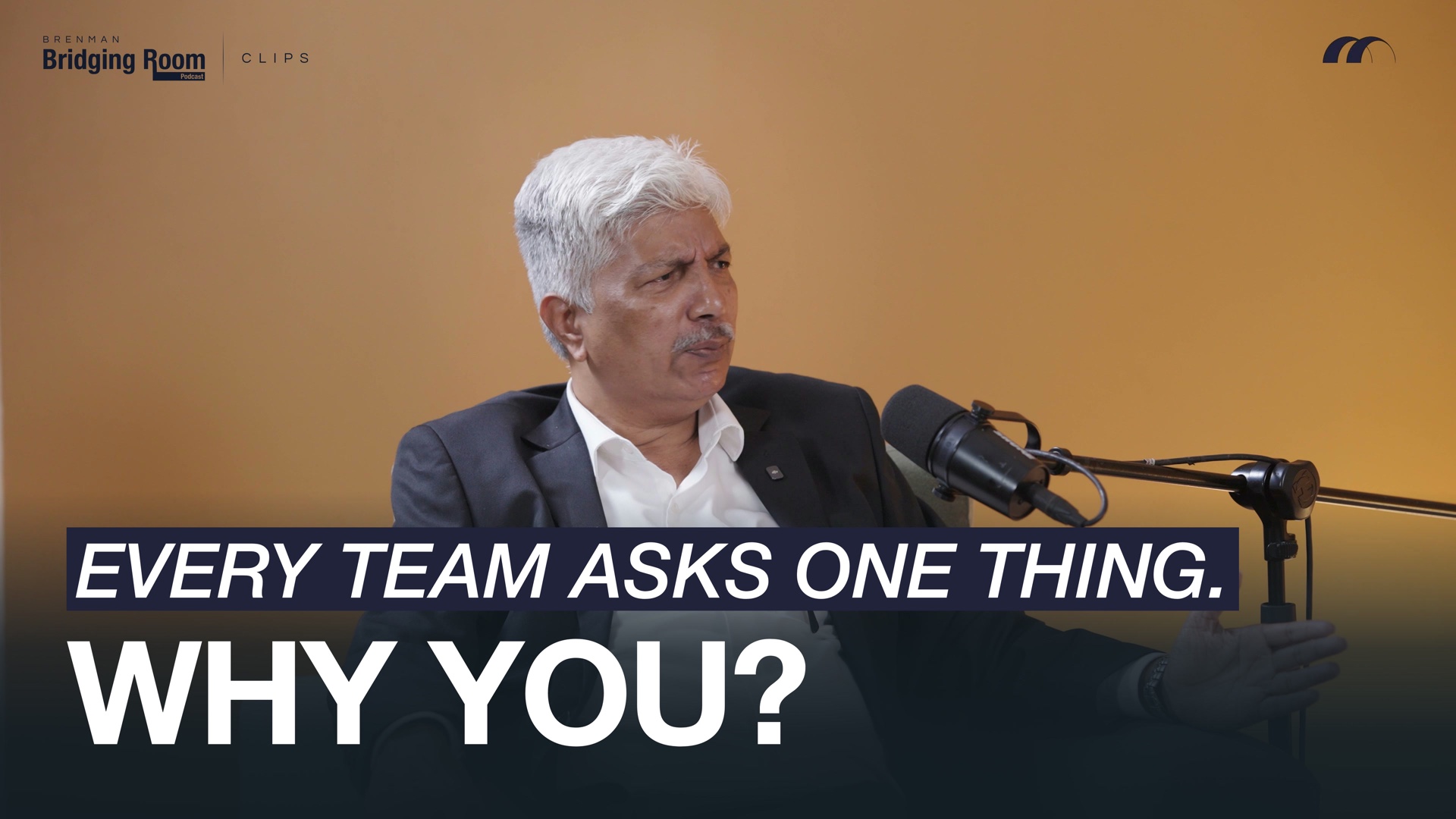
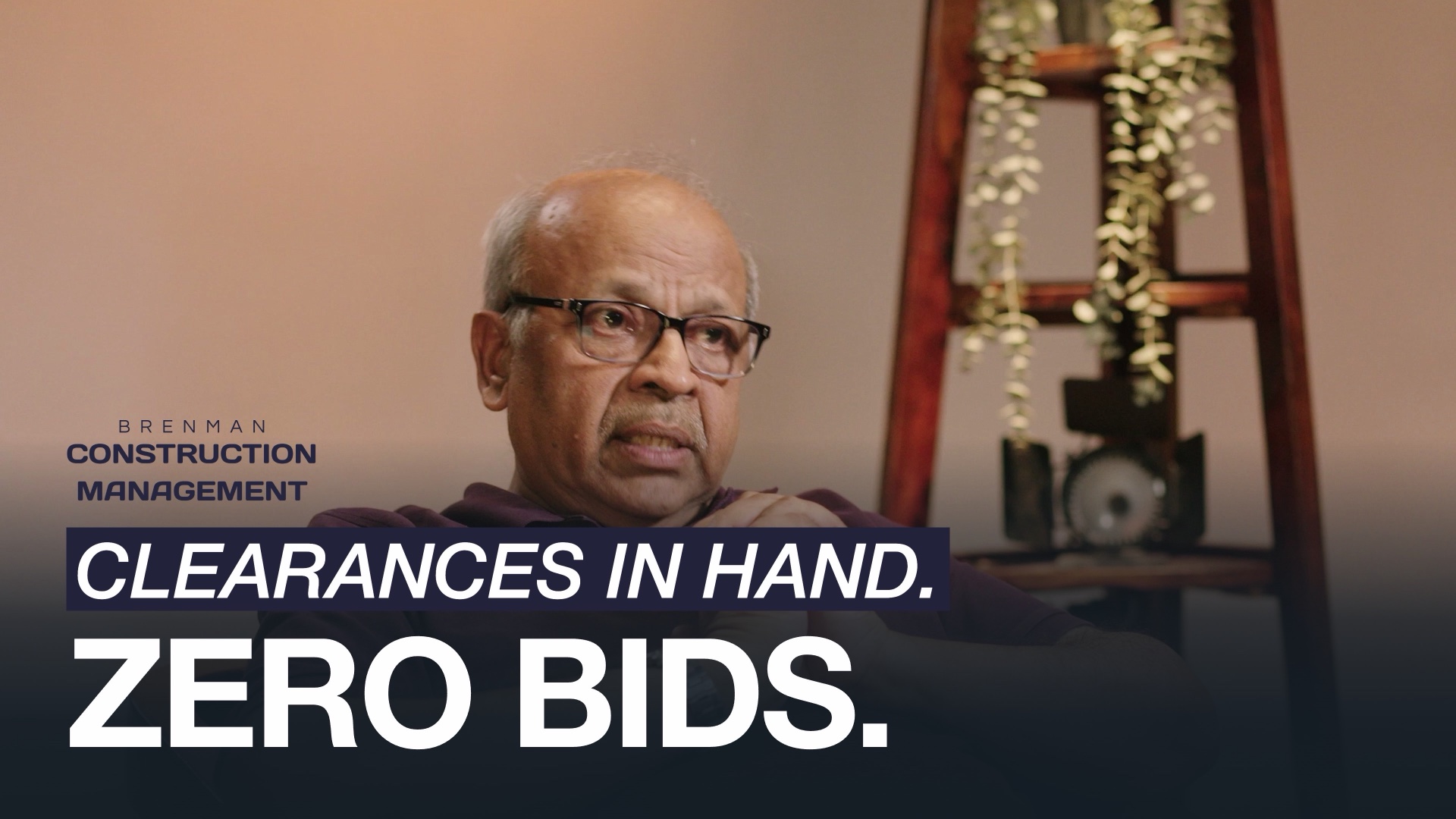
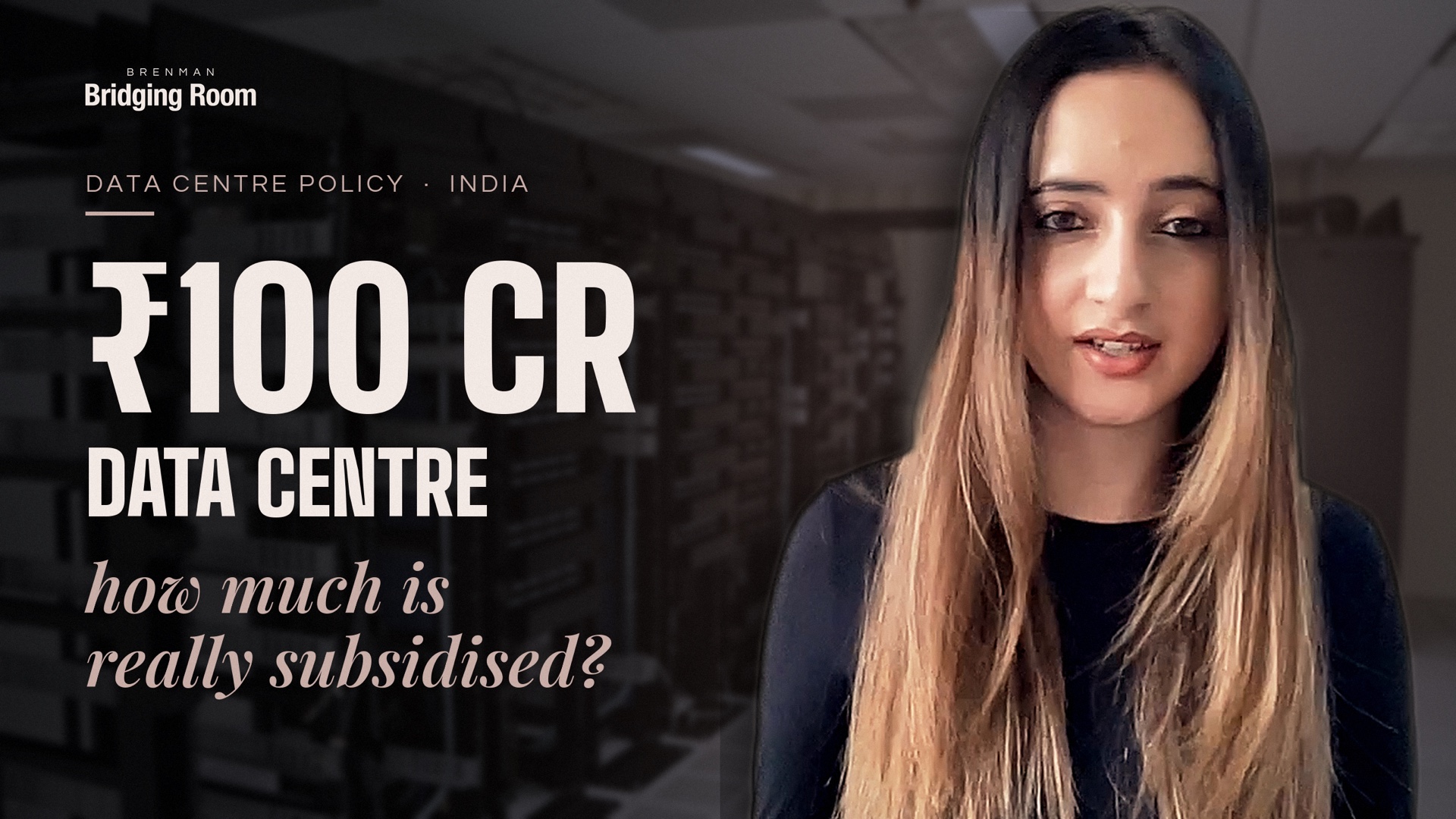
Bridging Room Clips turn each long conversation into short, standalone videos. I pick the moments from the transcript, cut each one to stand without context, and give it a thumbnail with a two-line hook over the speaker: the setup in a box, the punchline in bold. Between August and October that was 29 long-form clips (BR Clips 12 to 40), clips for BRENMAN's Construction Management series, and, in October alone, 13 vertical reels on Silkyara, the bullet train, NATM, data centre policy, and more.
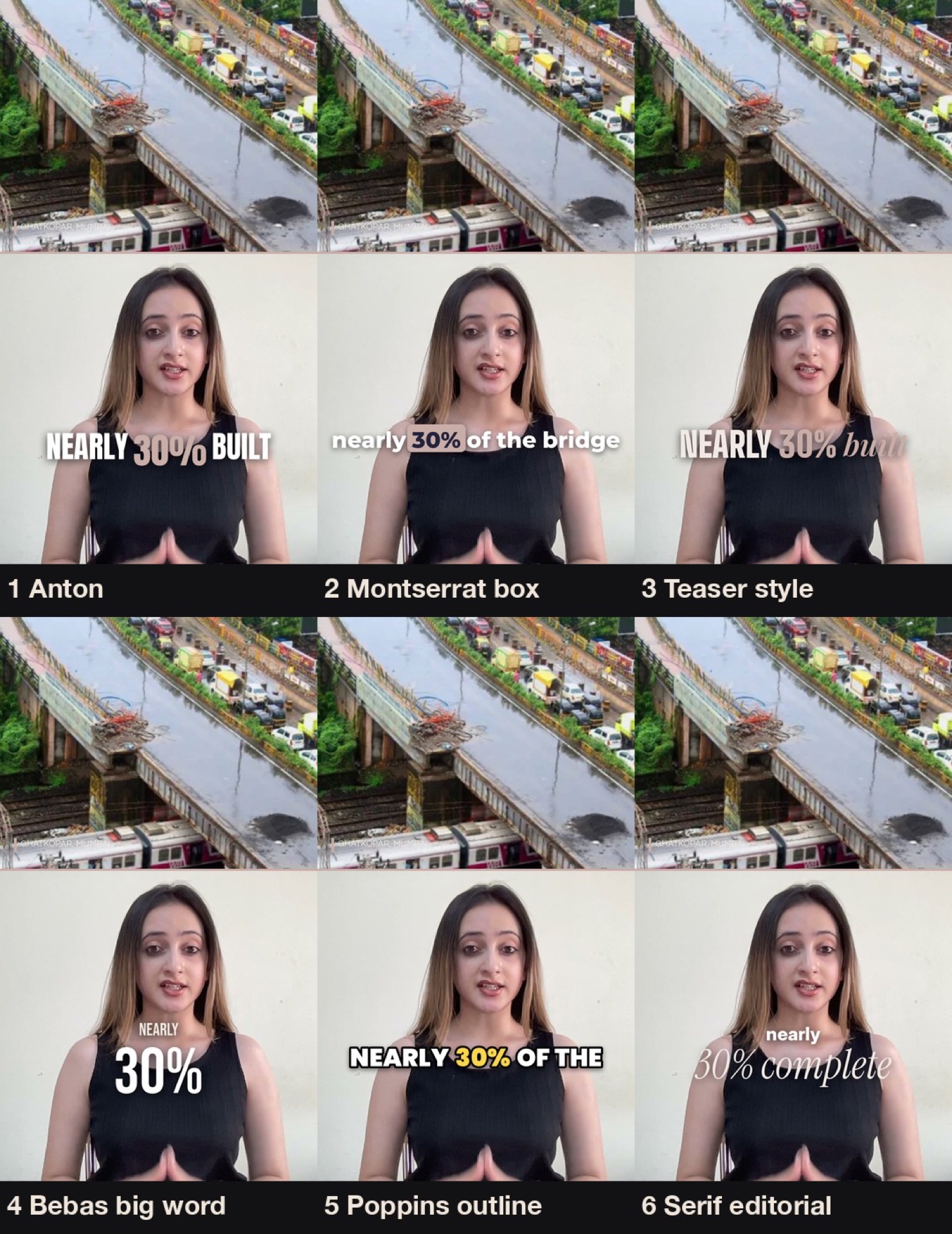
Before a reel series I test caption styles on the same frame, then lock one for the run. AI-generated B-roll is labelled on screen, and music credits ship in a credits file.
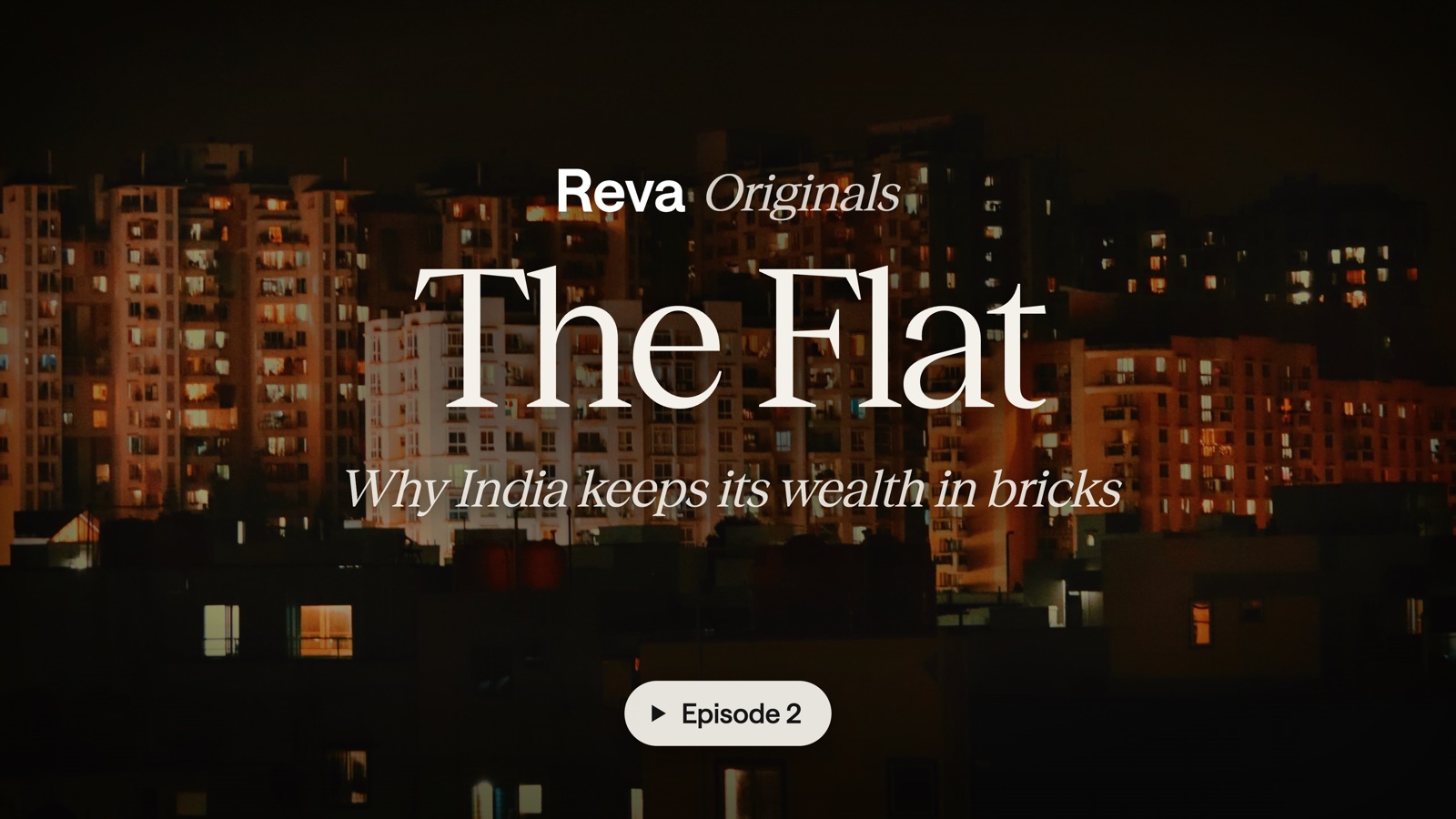
Reva Originals: short films about how India keeps its money.
I created Reva Originals for Reva, the money app I build. Each film takes one habit Indian families never explain out loud. The Locker, on gold, is out now. The Flat, on property, premieres October 27, and The FD, on fixed deposits, November 2. Every figure on screen names its source (RBI, SEBI, AMFI, CBDT, or the World Gold Council) and the date it was published. The films are finished in 4K with 3D shots and their own sound design, and The Flat uses an AI voiceover.
Designing what people see before they press play.
I design thumbnails and social posts in the same pass as the edit, so the frame, the type, and the hook match the video. Every long video ships with several thumbnail options: five for the Construction Law teaser, A and B versions for each full Bridging Room episode, and four sizes for each reel series, from YouTube to Shorts.
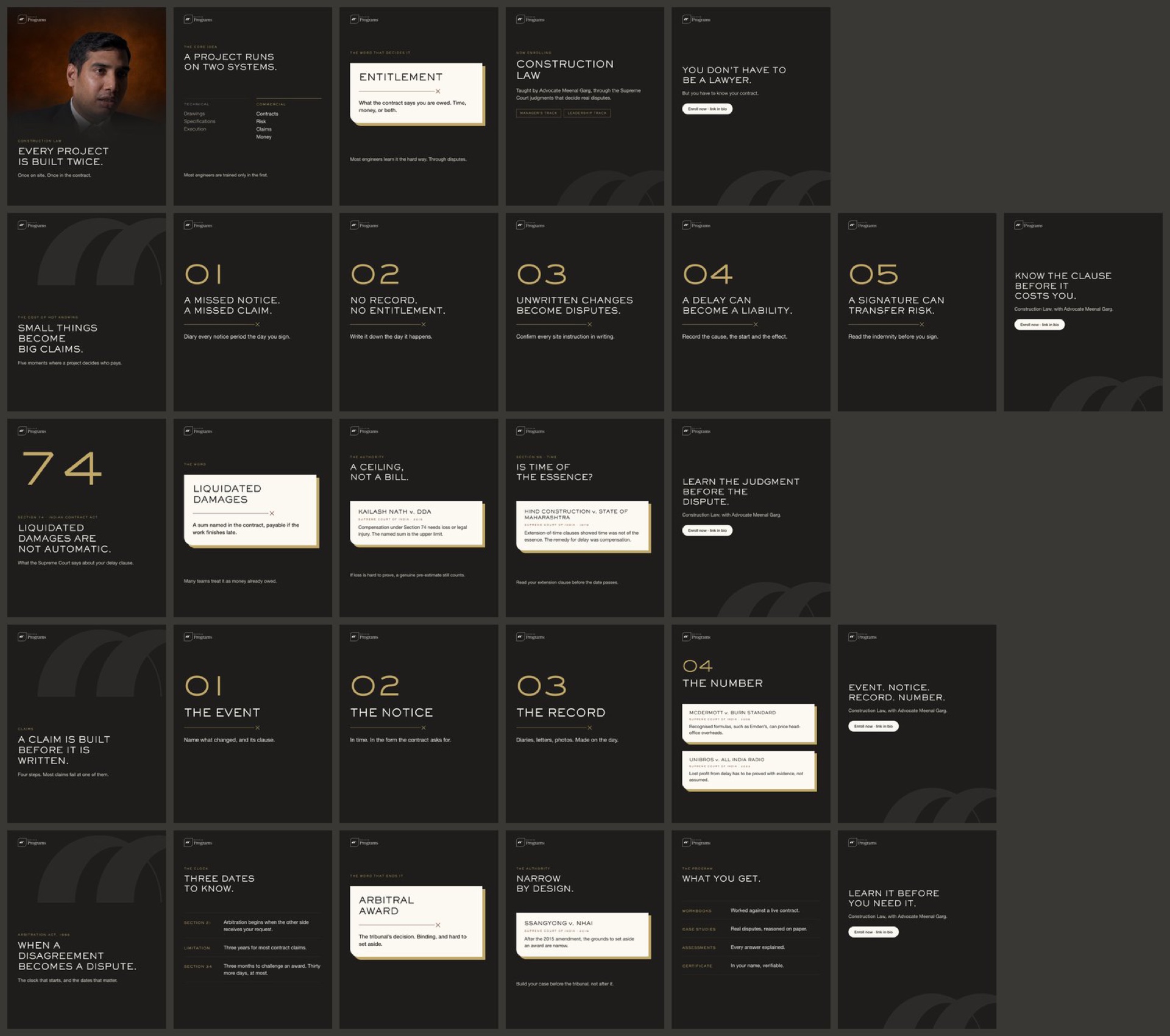
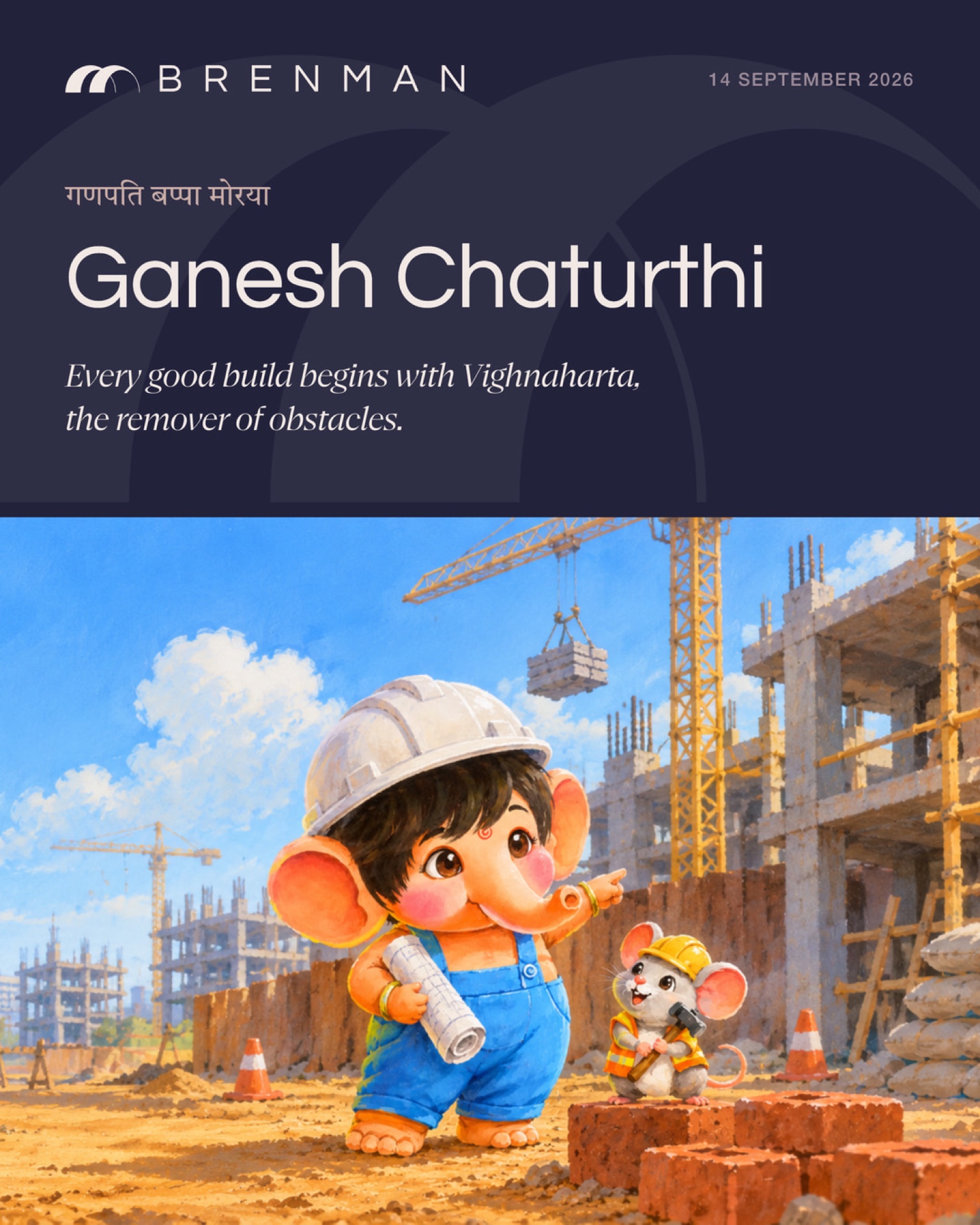
For the Construction Law launch I designed five Instagram carousels in the program's palette and type. Each one teaches a single idea from the course, such as missed notices, liquidated damages, or how a claim is built, and ends on a call to enrol. Festival posts like Ganesh Chaturthi go out in two versions across Instagram, Facebook, and LinkedIn sizes.
The same toolkit under every project.
- Edit & finish
- DaVinci Resolve FCPXML hand-off from scripted cuts
- Scripted edits
- Python, ffmpeg edit lists, renders, QC
- Colour
- S-Log3 to Rec.709 LUTs generated and checked in code
- Sound
- −16 LUFS, −1 dBTP two-pass loudness, voice repair
- Multicam
- Podcast Autocut speaker detection every 10 ms
- Design
- Thumbnails carousels and social posts for every release
- Generated footage
- Google Veo, Higgsfield always disclosed on screen or in credits
- AI assist
- Claude transcripts, cut suggestions, image sourcing